About “40 Parks Before 40”
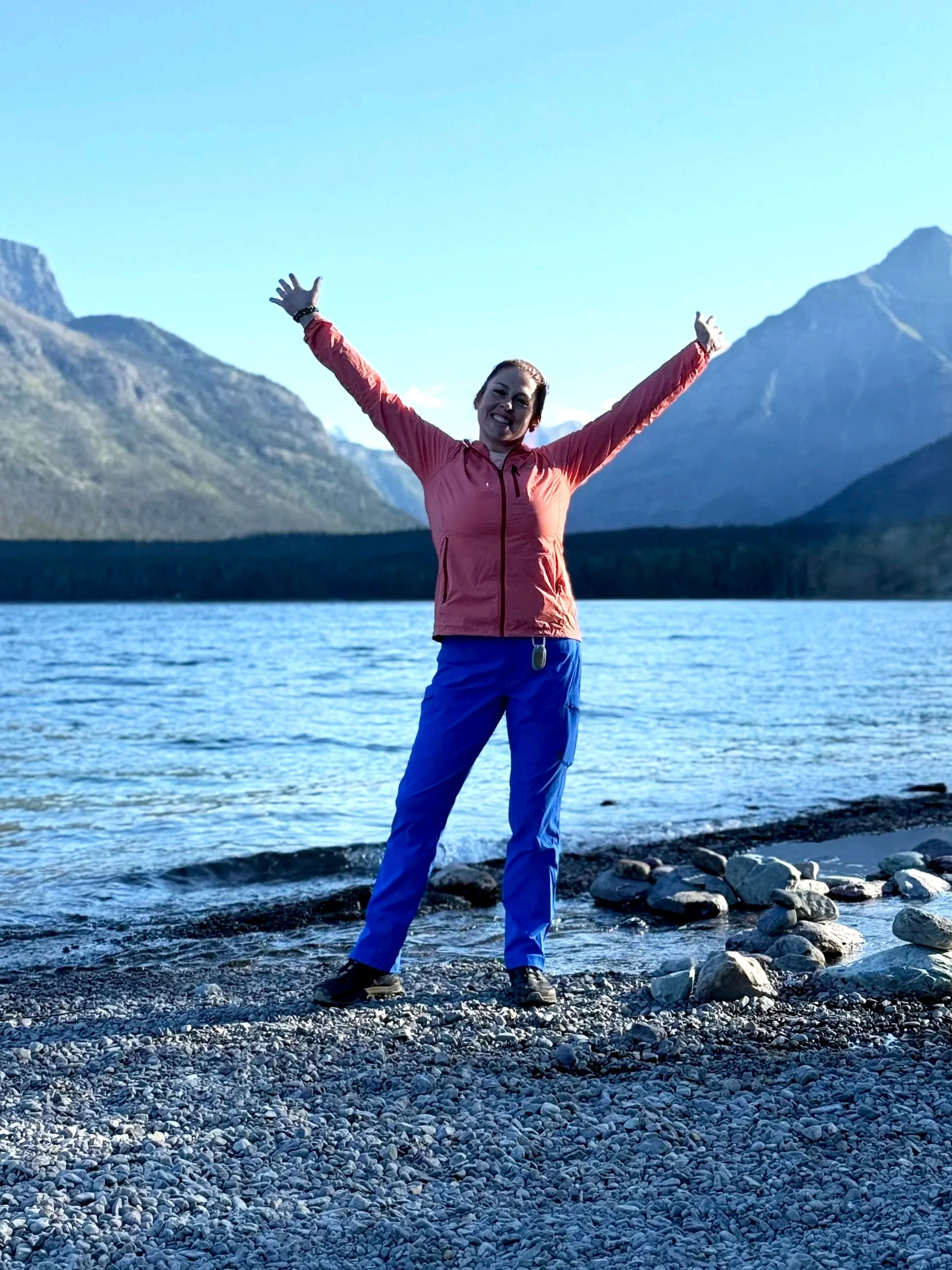
I’m Katie, and I’m on a mission to visit 40 U.S. national parks before I turn 40—26 down so far.
I didn’t start this as a content project. I grew up taking long, cross-country camping trips in our family’s pop-up trailer, was a Girl Scout (which meant plenty of old-fashioned tent camping and learning how to be prepared), and have always gravitated towards trips built around experiences, not just destinations.
During the pandemic, I decided to be more intentional about it and set a goal: systematically explore the national parks.
What I realized quickly is that most park guides either overwhelm you with options or don’t actually help you plan your time—especially if you don’t have unlimited days to figure it out.
I’m not traveling full-time or living out of a van. I’m planning trips around work, limited PTO, and real schedules. So I started building itineraries that focus on getting the most out of a short visit—seeing the best parts of each park without overpacking the schedule or wasting time.
I plan trips carefully so I don’t waste time, but I never plan them so tightly that I miss what makes each park special.
How I approach trips
Because I’m trying to visit 40 parks, I think carefully about how I spend my time in each one. I want to see what’s actually worth it—without overpacking the trip or rushing through everything.
That means:
Structuring the trip so the logistics are smooth
Leaving space to adjust based on weather, energy, or ranger recommendations
Building in flexibility so you can actually enjoy where you are
Some of the best moments I’ve had in national parks weren’t planned in advance—they came from asking a ranger a question, noticing something unexpected, or just having the time to pivot.
What this site is
In my day-to-day life, I work in a role that requires a lot of systems thinking and operational planning, and I bring that same mindset to travel.
I think in terms of:
What’s actually worth the time
What can be skipped
How to structure days so they flow well
How to avoid the small logistical issues that can throw off a trip
But the goal isn’t to optimize the fun out of it—it’s the opposite. Do the thinking upfront so you can be fully present once you’re there.
The system behind it
Over time, this has turned into a personal system:
Itineraries that are structured but flexible
Gear that’s practical (and ideally, in fun colors)
A planning approach that leaves room for discovery
Incorporating learnings for future visits
This site is where I’ll share what I’ve learned—what worked, what didn’t, and how I’d plan each trip if I were doing it again.
If you’re trying to plan a national park trip and want something thoughtful, efficient, and still flexible, you’re in the right place!
A few highlights from along the way
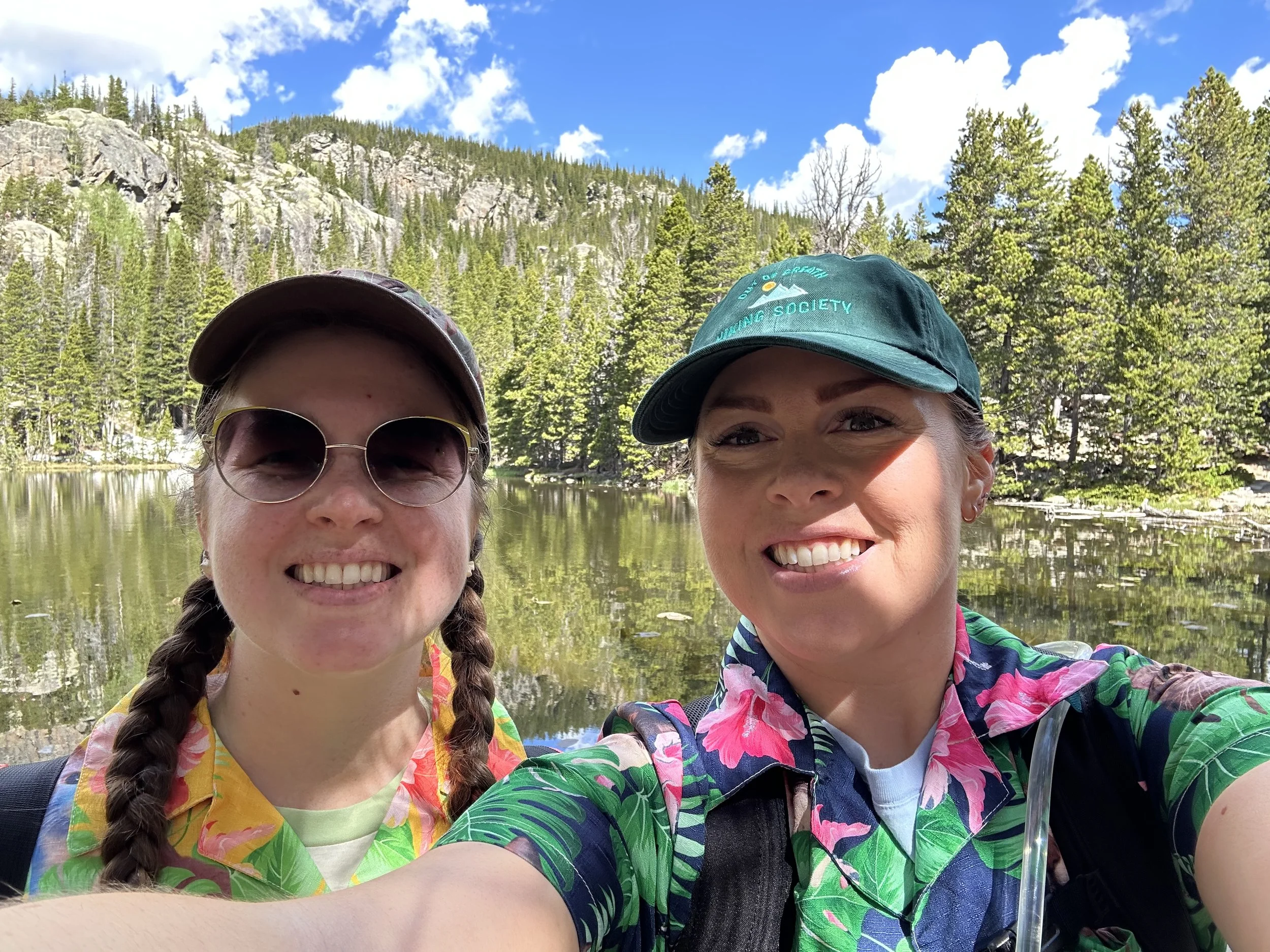
Hiking in Rocky Mountain National Park in custom Hawaiian shirts with our cats on them (objectively unneccessary, but highly enjoyable)
Visiting parks solo and building trips entirely around my own pace
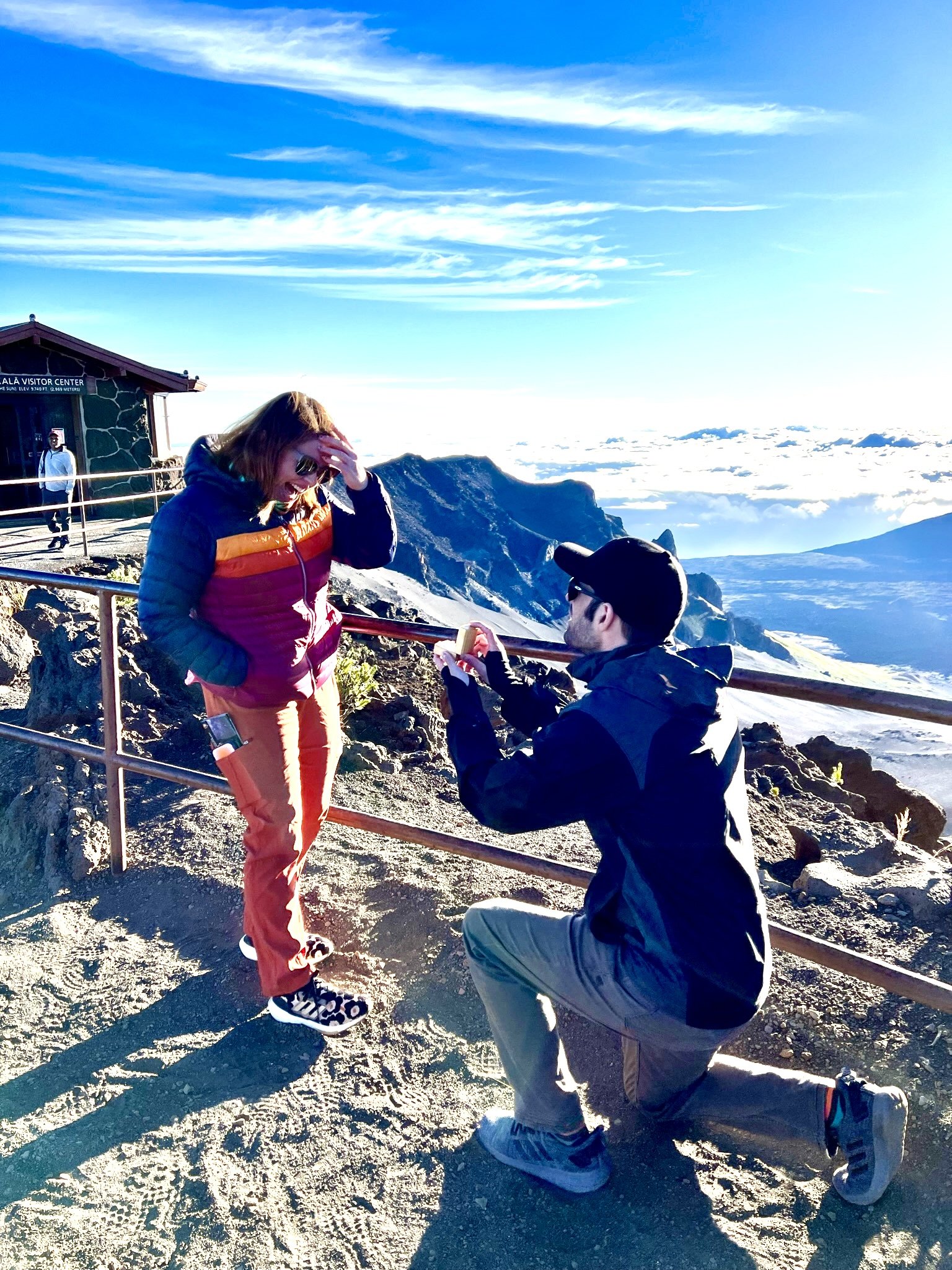
Getting engaged in Haleakalā National Park, at the top of a volcano
Learning things from rangers that completely changed the day (like seeing rainbow trout making their upstream journey)