🥾 🎒🌲
Trail Wisdom
After visiting 25+ national parks, I’m sharing the trail wisdom I wish I had from the start—the small things that make your days smoother, easier, and a lot more enjoyable.
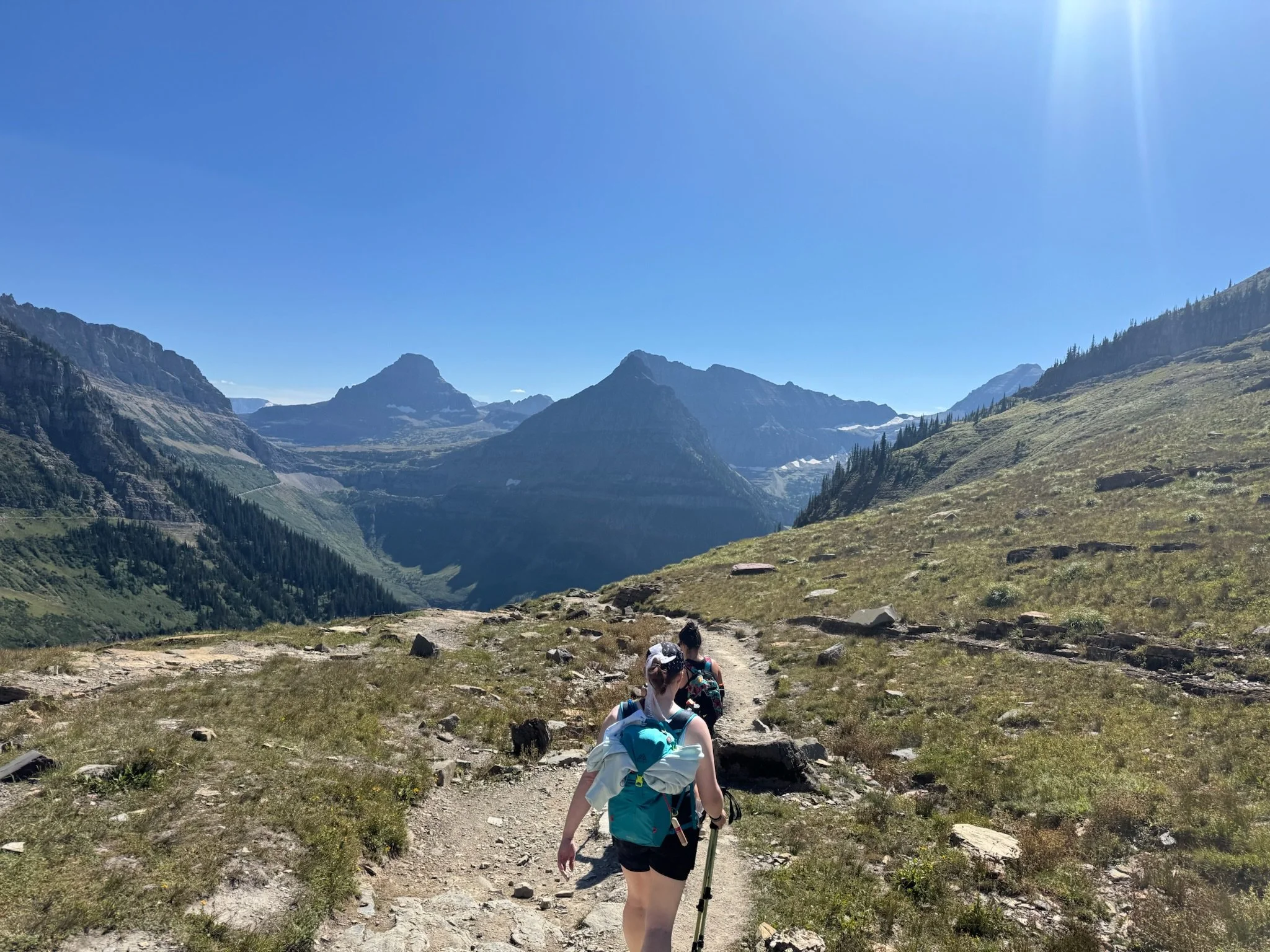
Trail Etiquette (don’t make the trail harder for everyone)
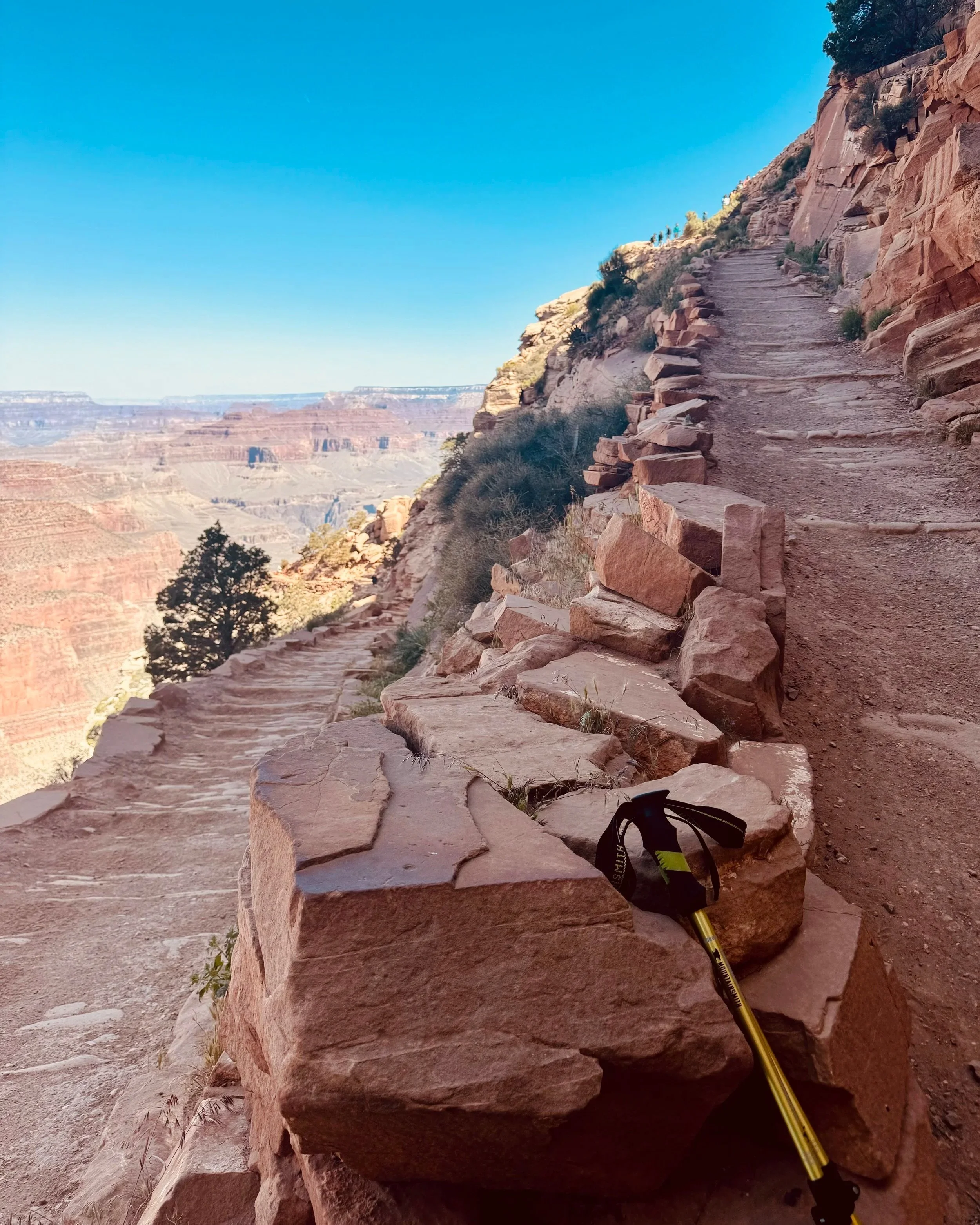
A few simple things make trails better (and safer) for everyone, especially on busy days.
Uphill hikers have the right of way
They’re working harder—let them keep their momentum.Step aside when you stop
Photos, snacks, map checks—just don’t block the trail.Be aware on narrow sections
Don’t force someone into a sketchy step to get around you.Stay on the trail
Cutting switchbacks or stepping off path might seem harmless, but it quickly leads to erosion and damaged plants
🥾 It’s not complicated—just don’t be the reason things get slow, crowded, or sketchy.
Trekking Poles (don’t overthink this)
You might feel like trekking poles are for people who are older or out of shape.
I thought that too—and avoided using them at first.
That was a mistake, and we would have suffered without them.
Once I learned how to use them, they became something I won’t hike without.
They save your knees on descents
They help with balance on uneven terrain
They stretch your energy further than you expect
🏔️ In Glacier, we would’ve been wrecked without them.
If you’re unsure, bring them. Worst case, you don’t use them.
Water (don’t try to be tough about this)
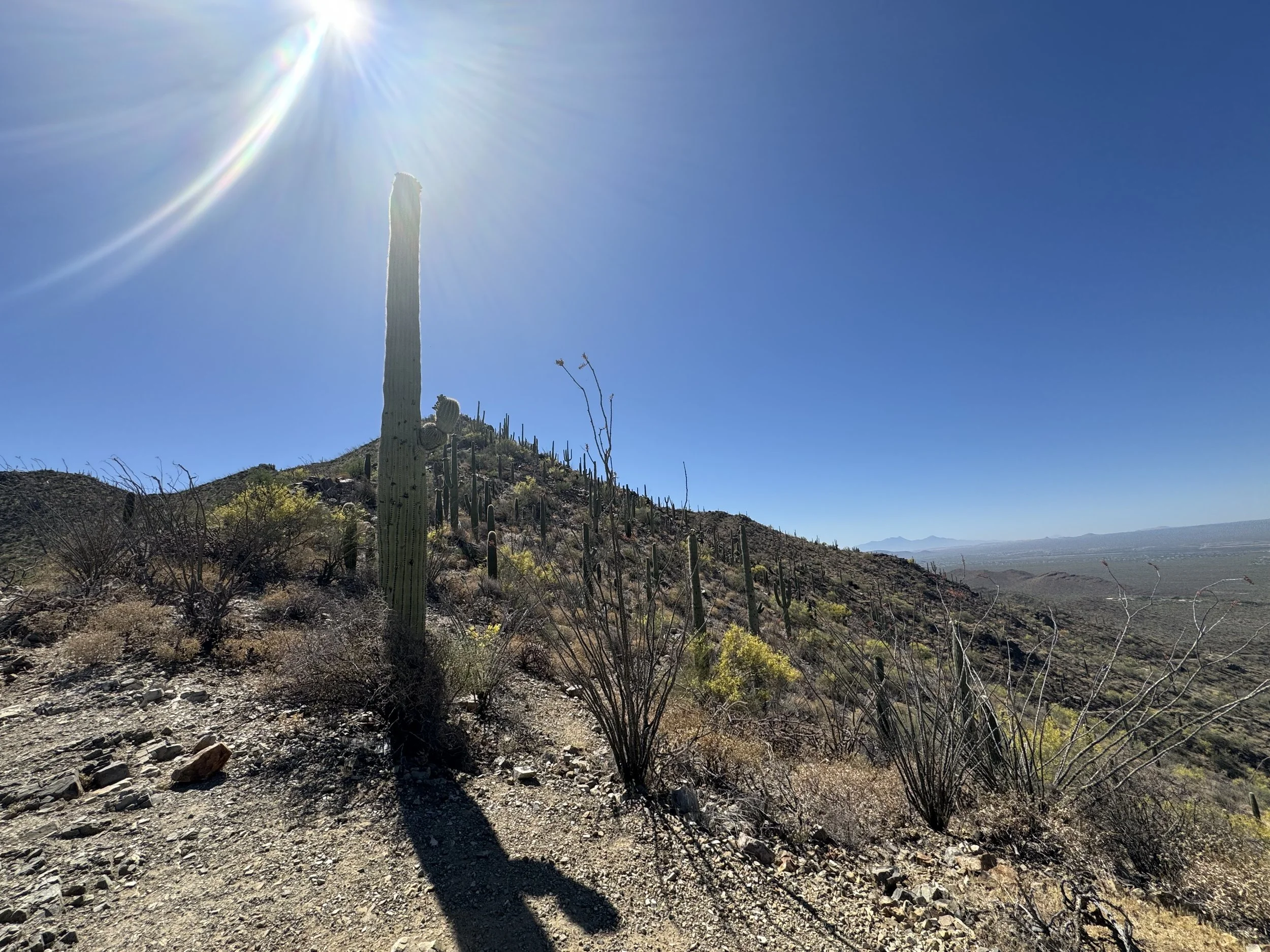
It’s really easy to underestimate how much water you need.
I ran out on the Highline Trail and had to borrow from a friend - completely avoidable.
You’re more exposed than you think
You’re working harder than it feels
Once you’re behind on hydration, it’s hard to catch up
💧 Bring more water than feels necessary. You’ll drink it.
If you’re debating whether you have enough—you probably don’t.
Wildlife & Bear Safety (this isn’t optional)
This is one of those things to take seriously before you’re in the moment.
Know basic bear safety
Especially in places like Glacier or Yellowstone—this isn’t theoretical.Carry bear spray where recommended
And keep it accessible, not buried in your bag.Keep your distance from wildlife
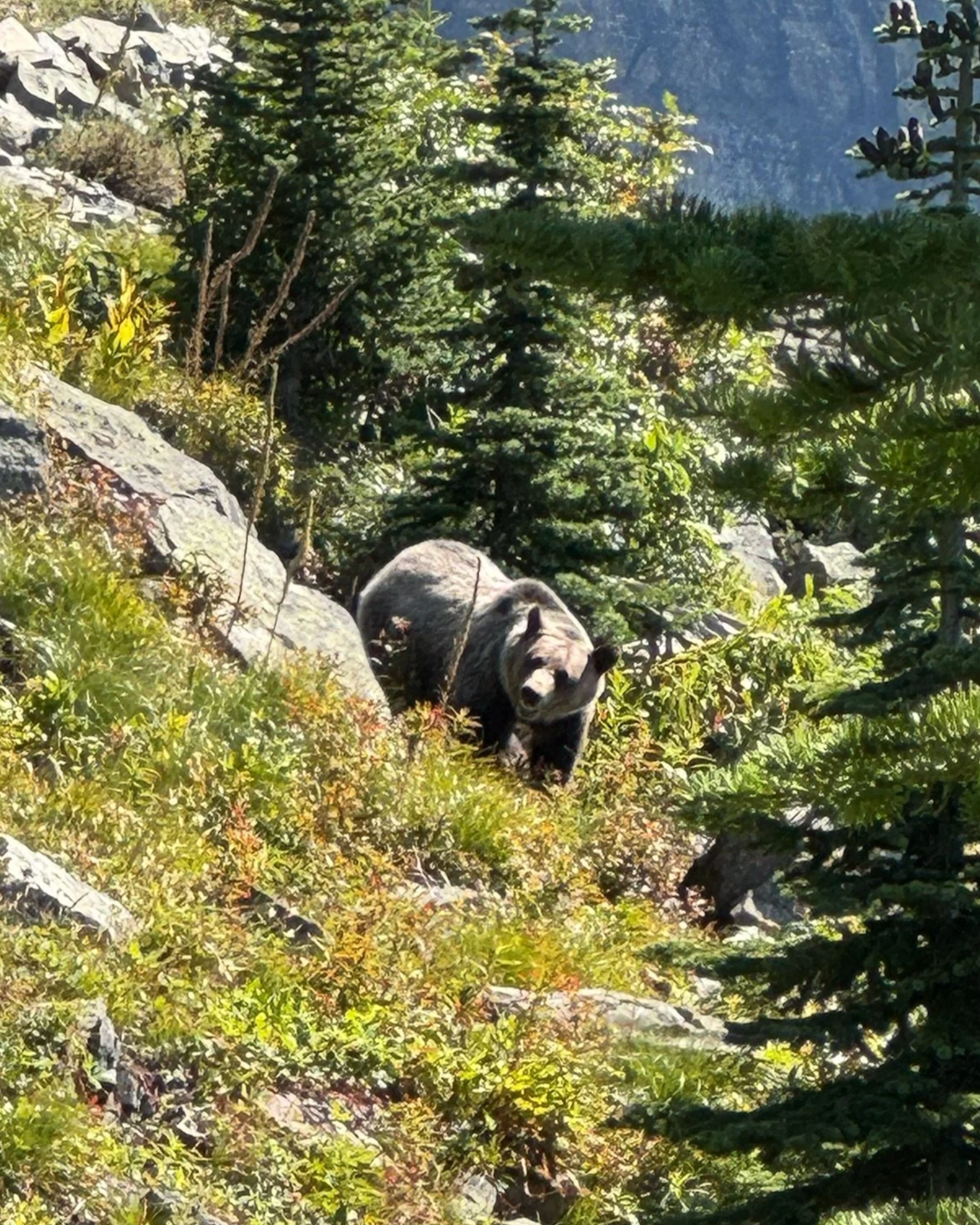
If you’re getting closer for a photo, you’re already too close.
🐻 Respecting wildlife = protecting it (and yourself).
Bear Trash Cans (yes, really)
These aren’t normal trash cans—and there’s a reason for that.
There’s a running joke in parks:
there’s a lot of overlap between the smartest bears and the dumbest humans.
So the cans are designed to outsmart both.
Make sure it actually latches
Don’t leave anything sitting on top
Don’t assume “that’s probably fine”
🗑️ If a bear gets into human food, it usually doesn’t end well—for the bear.
Dogs in National Parks (know before you go)
I get it—if you’re road tripping with your dog, you can’t just leave them in the car all day.
But most national park trails don’t allow dogs, and it’s not random.
Dogs can:
Disturb wildlife
Damage fragile ecosystems
Create safety issues on busy or narrow trails
Paved areas and parking lots are usually okay, but most hiking trails are not
Hiking trails are usually not
Rules vary—always check ahead
🐾 If your dog is coming, plan your trip around where they’re allowed.
Ask about the B.A.R.K. Ranger program at visitor centers—it’s actually helpful.
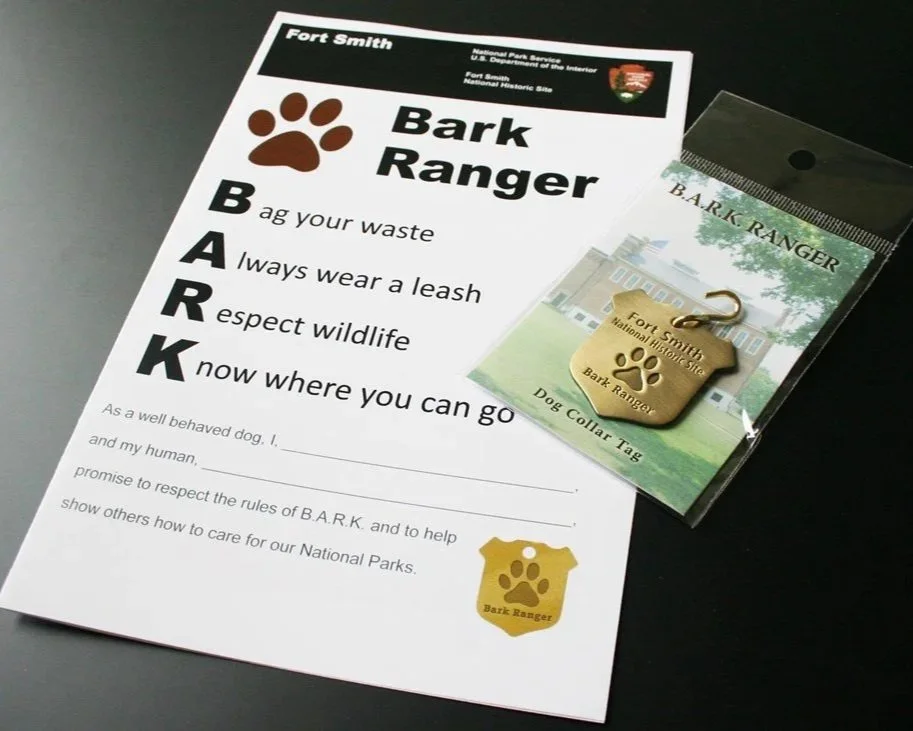
Cairns (leave them alone)
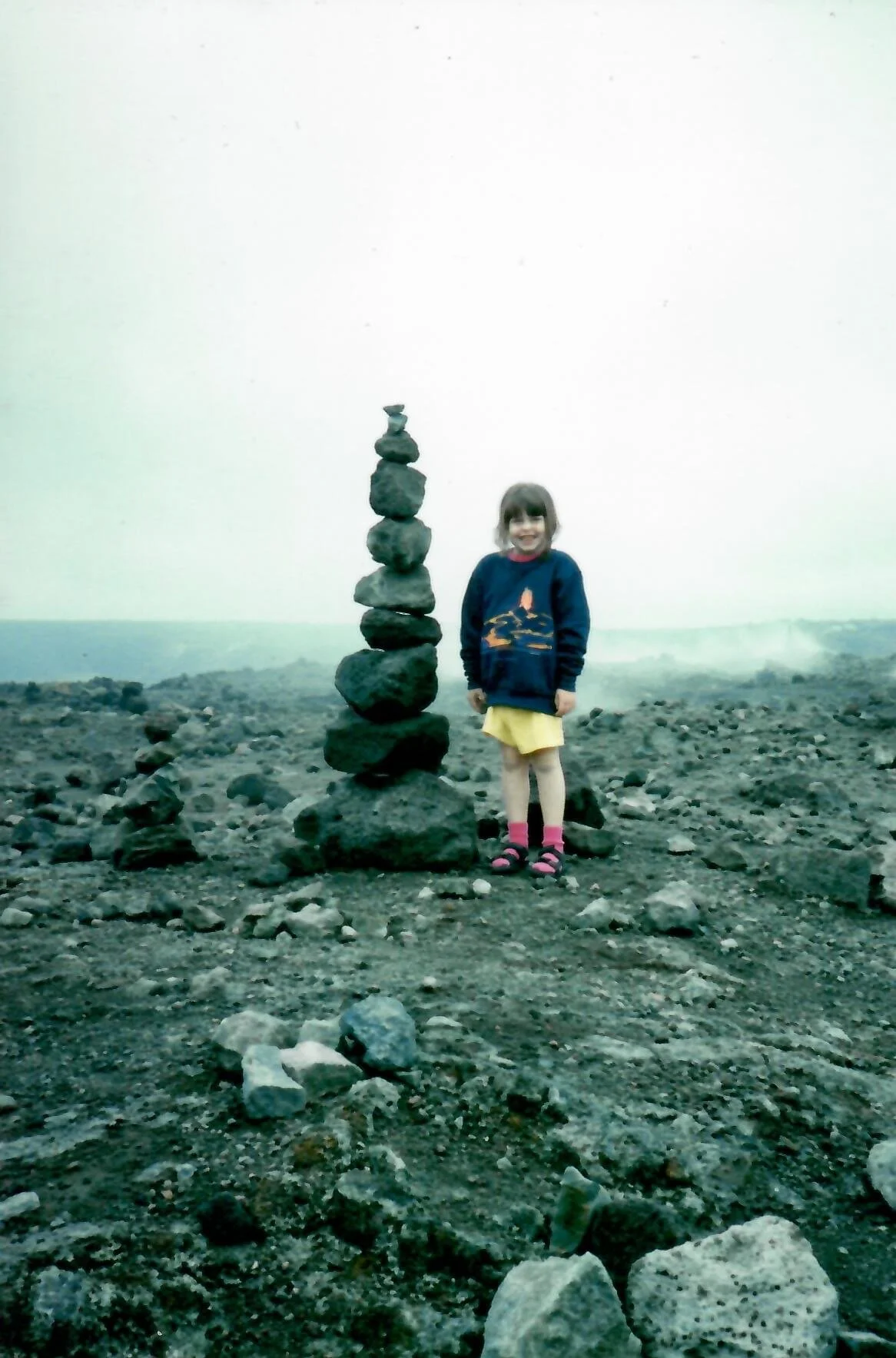
You’ll see rock stacks like this in a lot of places—and it’s easy to think they’re harmless.
They’re not always harmless.
In some parks, cairns are intentional trail markers, especially in areas where the path isn’t obvious.
Adding your own can confuse people and send them the wrong way.
And more broadly, this is one of those “leave no trace” moments:
just because you can move something doesn’t mean you should.
Don’t build cairns
Don’t rearrange rocks for photos
Don’t assume “one more won’t matter”
🪨 If you’re unsure, default to: look, don’t touch